Tree Removal Cost by Type
Compare typical removal prices for oak, pine, palm, maple, willow, cedar, fir, and walnut trees. Species affects cost because wood density, height, canopy shape, access, and debris hauling all change the crew time.
| Tree type | Typical cost | Main cost driver |
|---|---|---|
| Oak | $600-$3,000+ | Heavy limbs, wide canopy, roof or fence proximity, large trunk sections. |
| Pine | $400-$2,000 | Tall trunk, sap, wind failure, power-line or driveway hazards. |
| Palm | $300-$1,500 | Falling fronds, fibrous trunk, hauling rules, spikes, tight urban access. |
| Maple | $500-$2,500 | Wide canopy, brittle limbs, driveway or roof proximity, storm damage. |
| Willow | $600-$2,500+ | Waterlogged wood, decay, weak unions, wet soil, difficult cleanup. |
| Cedar | $350-$1,500 | Dense branches, tight hedges, fence proximity, low canopy clutter. |
| Fir | $500-$2,500+ | Extreme height, slope access, storm lean, long debris haul. |
| Walnut | $700-$3,000+ | Heavy trunk, large limbs, root and soil issues, hauling weight. |
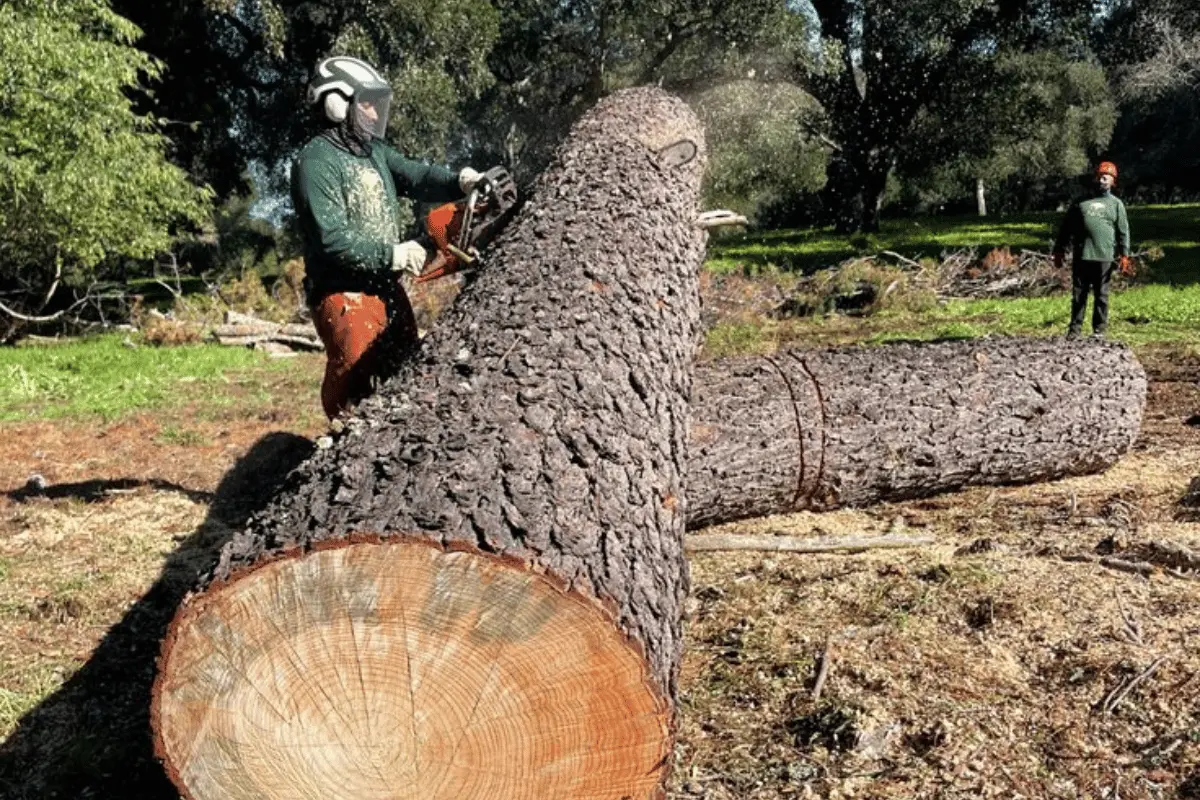
Oak Tree Removal Cost
$600-$3,000+
Oak is dense, heavy hardwood. Large limbs often require controlled lowering, extra ground crew labor, and more hauling.
Common cost factors
Heavy limbs, wide canopy, roof or fence proximity, large trunk sections.
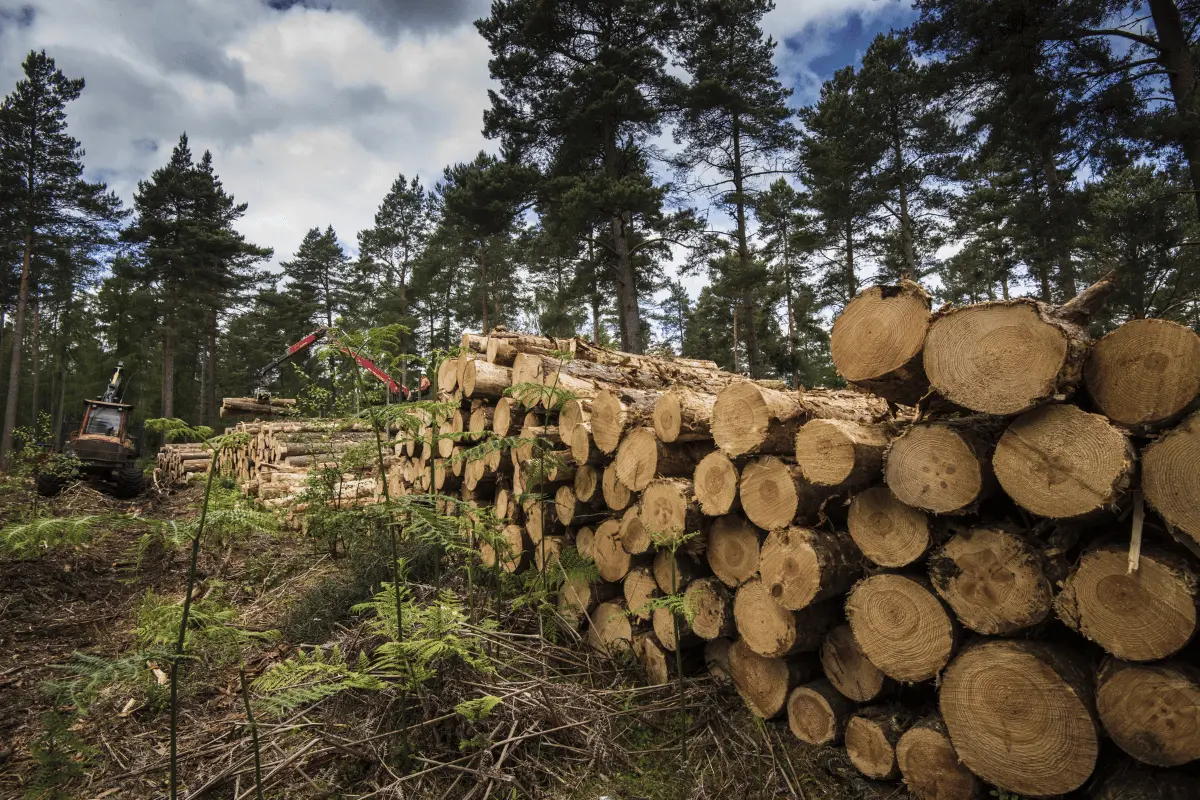
Pine Tree Removal Cost
$400-$2,000
Pine trees often grow tall and straight, so height, lean, access, and storm risk usually drive the estimate.
Common cost factors
Tall trunk, sap, wind failure, power-line or driveway hazards.
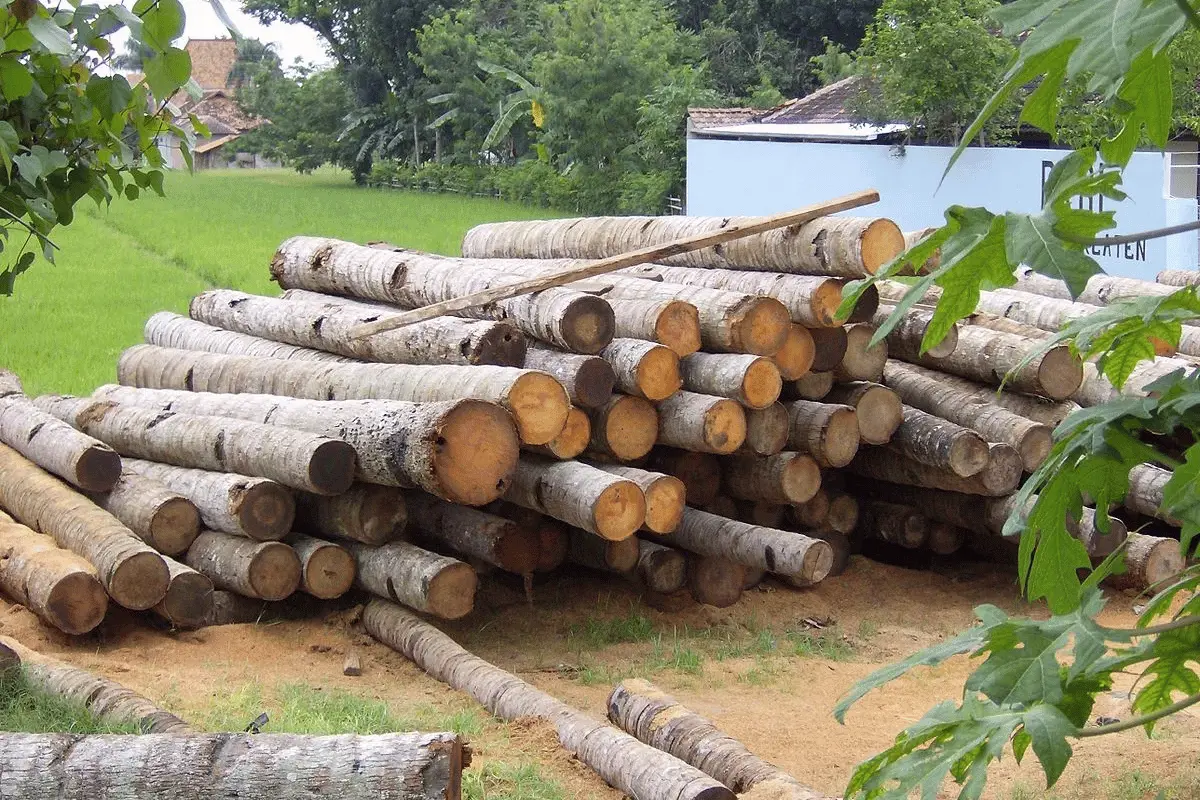
Palm Tree Removal Cost
$300-$1,500
Palm removal depends on height, trunk weight, frond cleanup, access, and whether the stump is ground out.
Common cost factors
Falling fronds, fibrous trunk, hauling rules, spikes, tight urban access.
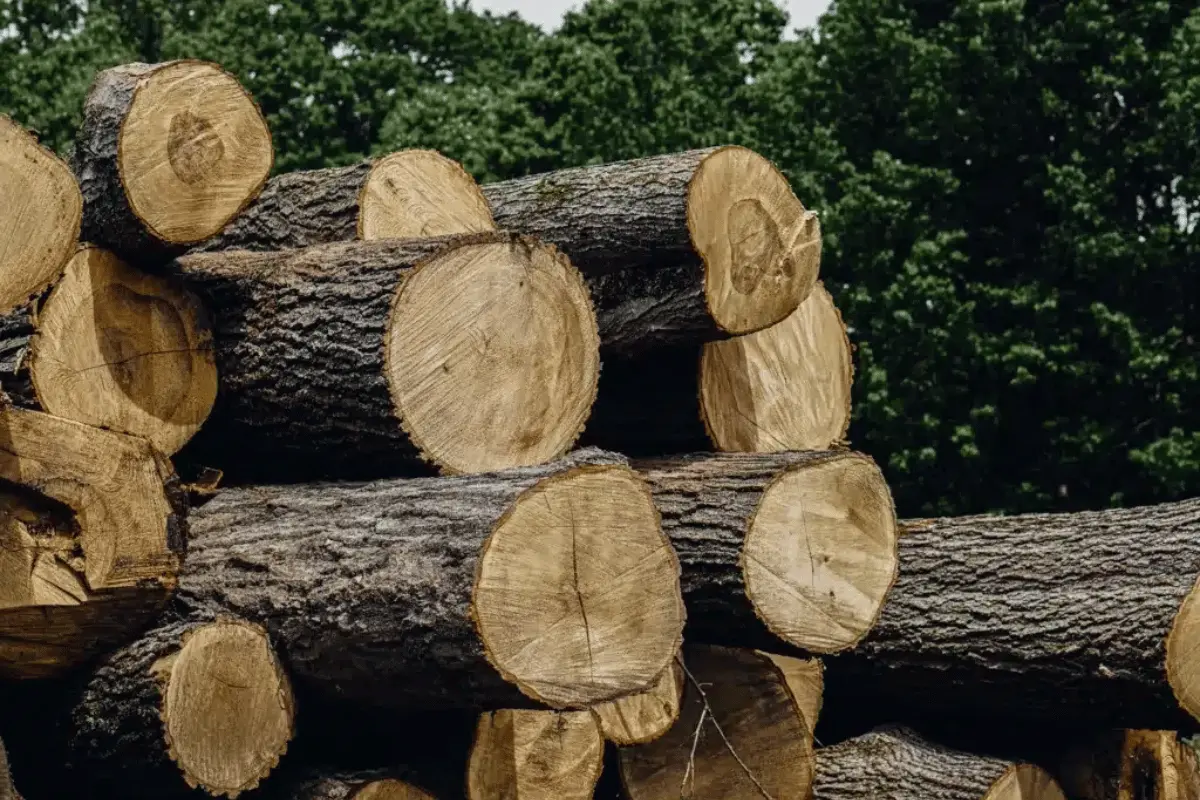
Maple Tree Removal Cost
$500-$2,500
Maples often have broad canopies near homes, which can add rigging time and careful sectional cutting.
Common cost factors
Wide canopy, brittle limbs, driveway or roof proximity, storm damage.
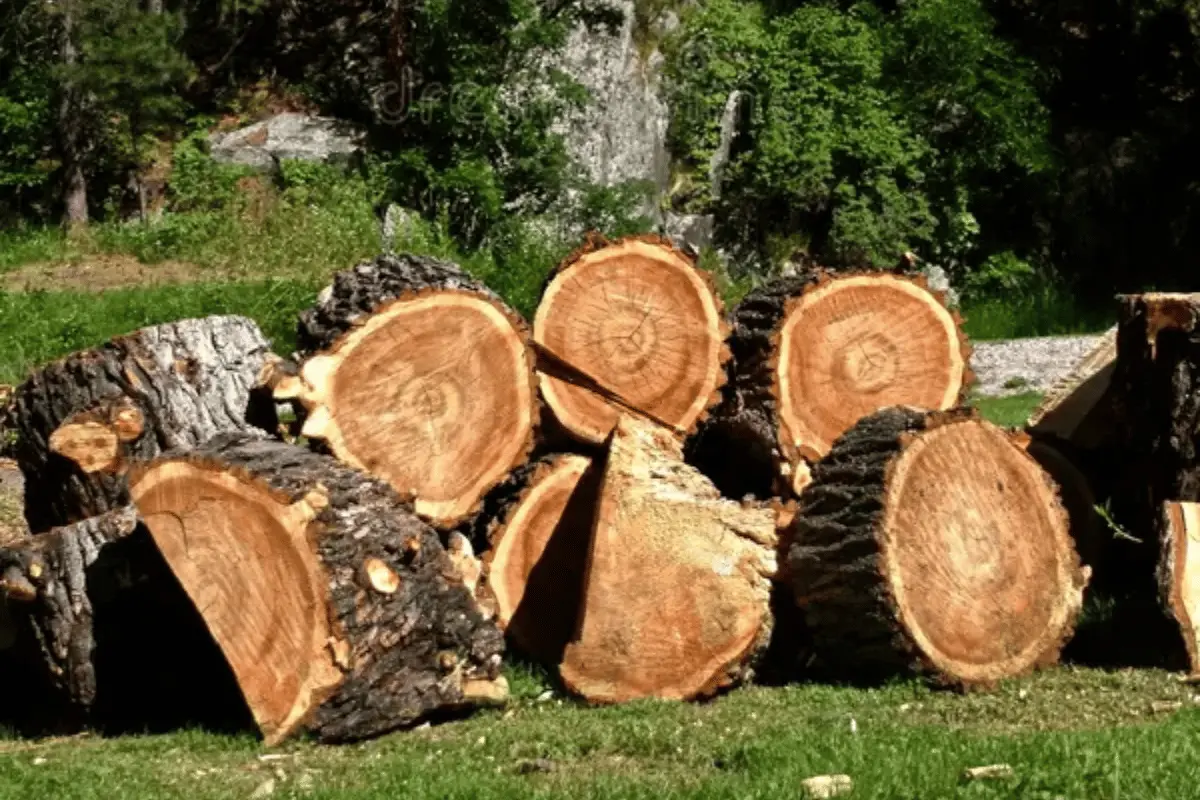
Willow Tree Removal Cost
$600-$2,500+
Willows can be water-heavy and structurally weak, so contractors may price them higher when climbing is unsafe.
Common cost factors
Waterlogged wood, decay, weak unions, wet soil, difficult cleanup.
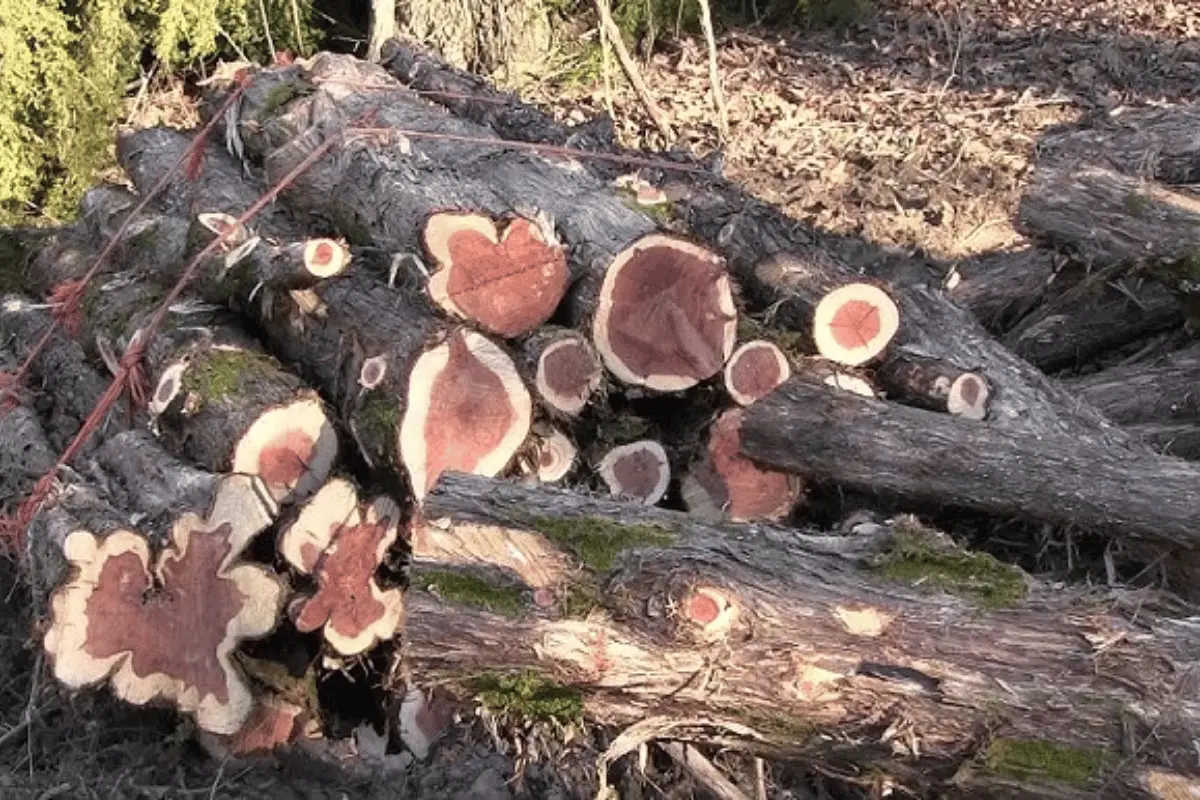
Cedar Tree Removal Cost
$350-$1,500
Cedar removal is often moderate unless the tree is part of a dense screen, close to fences, or difficult to haul.
Common cost factors
Dense branches, tight hedges, fence proximity, low canopy clutter.
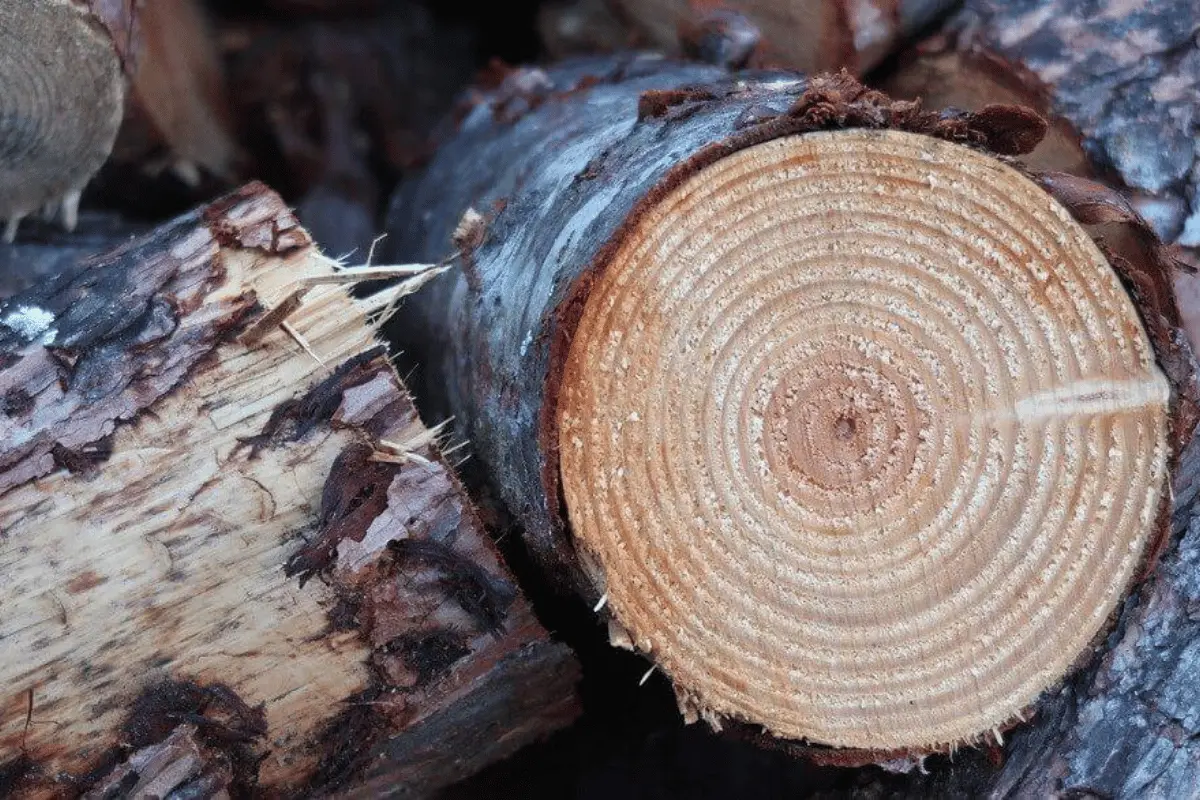
Fir Tree Removal Cost
$500-$2,500+
Fir removal cost rises quickly with height, especially for tall western trees that require climbing or lift access.
Common cost factors
Extreme height, slope access, storm lean, long debris haul.
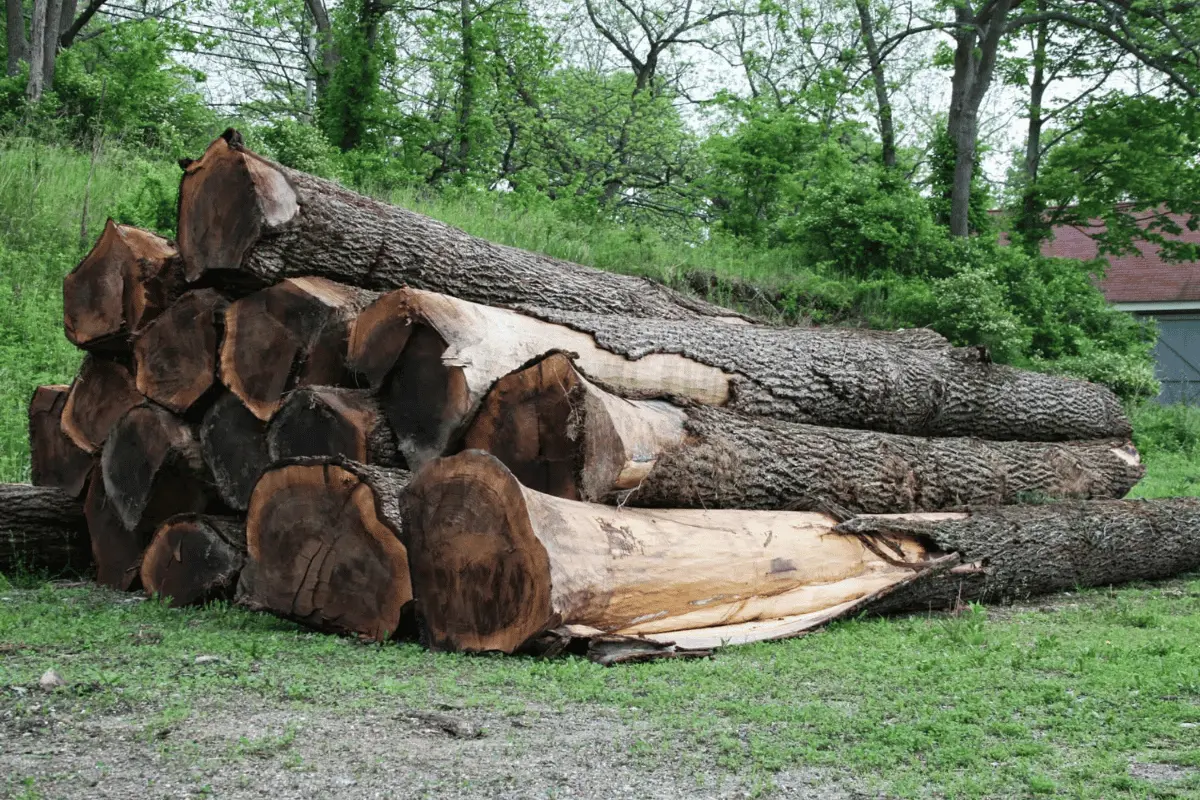
Walnut Tree Removal Cost
$700-$3,000+
Walnut is heavy hardwood, so mature trees cost more when crews must rig limbs and move large logs by hand.
Common cost factors
Heavy trunk, large limbs, root and soil issues, hauling weight.
How Species Changes Tree Removal Cost
Hardwood trees such as oak, walnut, and maple often cost more because the wood is heavier and the limbs require more controlled rigging. Softwoods such as pine, cedar, and fir can still be expensive when they are tall, storm-damaged, or hard to access.
Species is only one input. For the most realistic estimate, combine tree type with height, trunk diameter, access difficulty, power-line risk, stump grinding, emergency service, and debris hauling in the calculator.